Our history

the history of Our Charitable Organization

Since 1936 we’ve walked alongside children, youth and families to open doors of opportunity. What began as a one‑room medical clinic providing healthcare in one region is now a worldwide organization helping over 200,000 children and youth forge a path out of poverty. Explore our history to learn more about how we became a global force for ending poverty.

1936

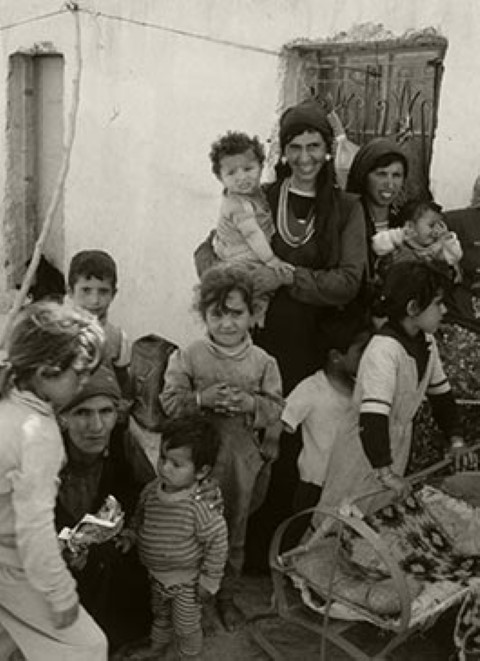
What is now a secular, nonpartisan organization known as Children International was founded in Kansas City, Missouri as Holy Land Christian Mission. The goal was to provide food baskets to women, children and families in Bethlehem and Jerusalem. Soon after its launch, Holy Land Christian Mission also opened a small medical clinic to treat minor illnesses.


1940s

During this decade, we expanded to include an orphanage and clothing donations for children in the program.


1952

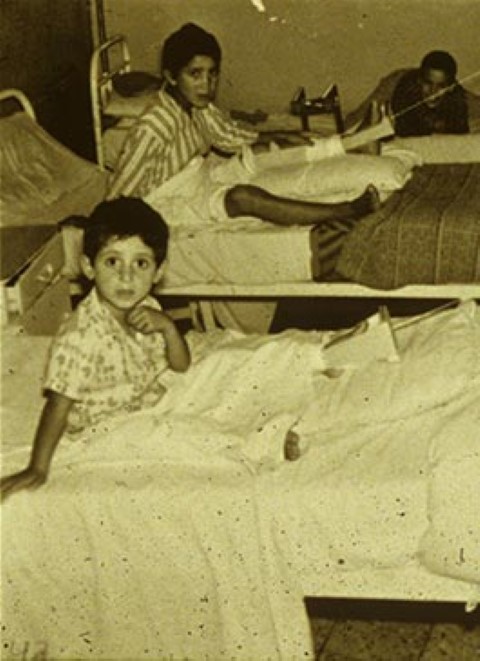
After a polio outbreak in the West Bank, we expanded our medical services to include orthopedic and therapeutic surgeries.


1964

We moved into our U.S. headquarters on Red Bridge Road in Kansas City, where we remain today.


1970s

Our medical clinic became a full-service hospital, providing free services for children disabled by polio, club foot and other bone disorders. The hospital remained open until 1996.


1974

Joseph Gripkey was appointed executive director. Under his leadership, we experienced incredible growth and expansion, along with a gradual shift to secular programming.


1980-1989

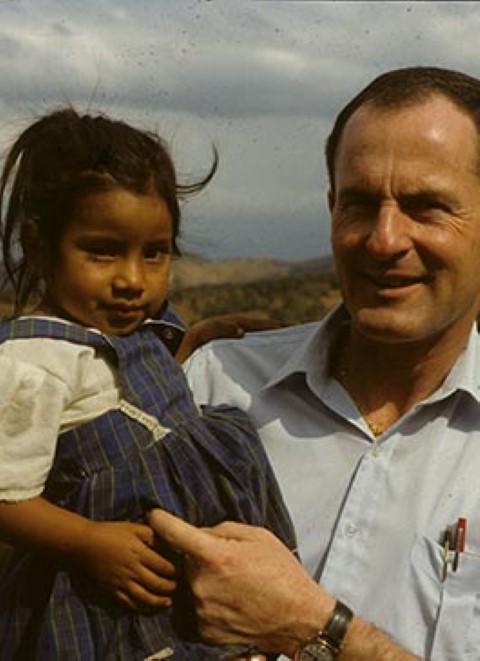
We launched our child sponsorship program with our first agency in San Lucas Tolimán, Guatemala. By the end of that first year, 2,300 children were receiving help.
In less than a decade, we were helping 134,000 children and youth each year as we opened agencies around the globe in India, Colombia, the Philippines, the Dominican Republic and Ecuador.


1989

We officially became Children International to emphasize our primary focus on helping children and youth break the cycle of generational poverty, choosing child sponsorship as our primary vehicle for impact.


1991

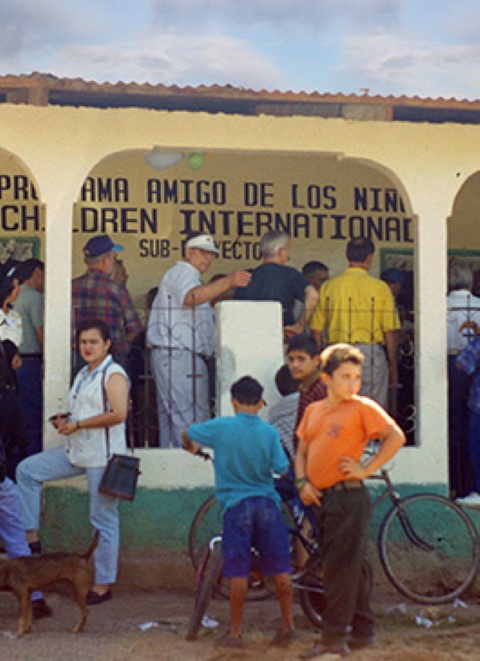
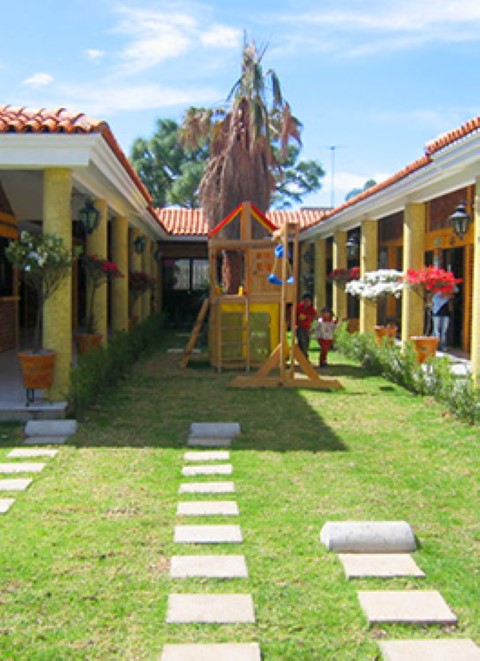
We expanded yet again and built our first community center in Asentamientos Humanos, Honduras. Our goal was to create a multipurpose space that could help larger numbers of children and provide a wider variety of services.


1994

We teamed up with the University of Arkansas at Little Rock to help kids in the United States.


1996

Jim Cook was named leader of Children International upon Joseph Gripkey’s retirement. Cook served as the guiding force for developing the youth and job training programs that are now at the core of our solutions to help children and youth forge a path out of poverty.


1999

The number of children we served grew and now included 60,000 youth ages 14-19. We realized during this era that older youth needed additional support with their emotional and physical well-being. With this in mind, we launched our first youth program, which included training on life skills, reproductive health, vocational opportunities and career counseling.


2004

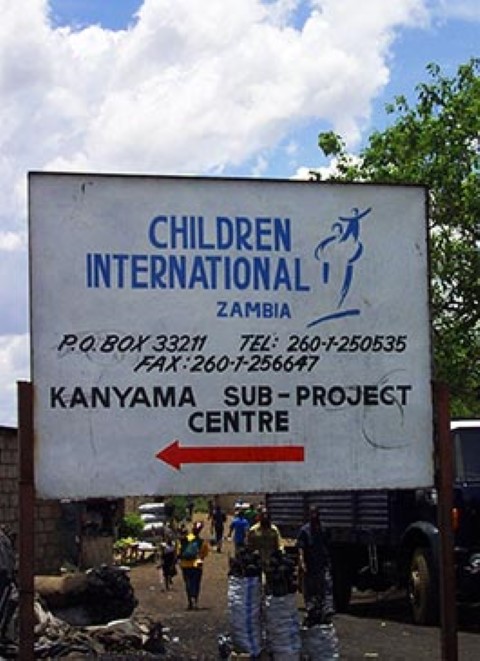
A longtime dream became reality as we expanded our services to Africa and began operations in Lusaka, Zambia.


2005

We launched operations in Jalisco, Mexico, impacting the lives of approximately 20,000 children and youth each year.


2006

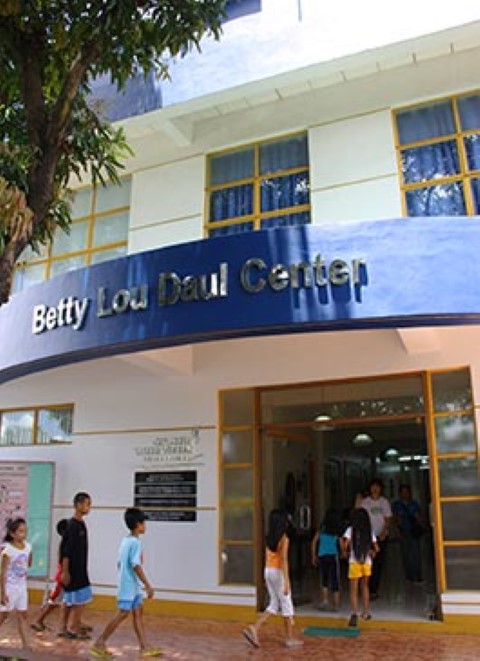
We launched a building campaign to improve our community centers and kicked off the effort with the Betty Lou Dahl Center in Quezon City, Philippines — eventually expanding to more than 70 community centers at the height of this programming model. 


2007

We enrolled our 1,000,000th child in our sponsorship program.


2009

We launched Into Employment®, our signature workforce development program, which equips young people with life skills and job training to help them secure initial jobs that pay sustainable wages. The program was established first in the Philippines and Honduras and has expanded to nine countries.


2014

Susana Eshleman became President & CEO upon Jim Cook’s retirement. Susana served on Children International’s board for 10 years before being tapped to lead the organization.


2016

We debuted a new brand and program strategy, laser-focused on one goal: For every child who graduates from our program to move on healthy, educated, employed and empowered to break the cycle of poverty.


2020

During this era of the global COVID pandemic, our staff worldwide found innovative ways to keep in touch with the children and families and quickly pivoted to provide digital programming. Many of the innovations from this period are still in use in our field agencies. We also launched a public service announcement  focused on our mission to serve the children and youth in our programs through challenging times.


2021

Fast Company magazine recognized Children International in its “World Changing Ideas” issue for our collaborative efforts to develop the MUAC z-score tape in partnership with four other companies. This product is an inexpensive, effective and life-saving tool (resembling a tape measure) that signals the risk of malnutrition in children.


2025

Based in Little Rock, AR, we shifted our U.S. program to an initiative called Common Good®, focused on younger school-aged children. Through Common Good, we are partnering with the University of Arkansas at Little Rock to support a social and emotional well-being curriculum in several schools throughout Little Rock that are based in underserved neighborhoods.


2026

As we celebrate 90 years of impact, Children International is once again redefining our programing to reach an even larger number of children, with a focus on empowering youth through a transformative curriculum and educating them in similar-age peer groups based in their local neighborhoods. With support from mentors and community volunteers trained by Children International, these young people are developing the mindset and skills they need to achieve success and independence.
90 years of impact
Our anniversary is an opportunity to reflect on the decades we’ve dedicated to helping children and families realize better lives. We are grateful for the global community of supporters who have made this impact possible — and together, we’ll continue building a world where poverty is no longer the norm.

This site uses cookies to improve your experience. You can restrict cookies through your browser; however that may impair site functionality.

GOT IT